
A conventional construction loan assumes value builds on the lender’s collateral. Concrete goes in, framing goes up, an inspector confirms progress, and the lender releases a draw against work it can see on land it holds. Factory-built projects, from modular construction to panelized systems, break that pattern. A large share of the value is created in a plant where the lender has no lien, sometimes before the site is even ready.
That mismatch drives most of the financing friction in offsite construction. Understanding it lets developers structure deals that lenders can approve and lets fabricators set terms that protect their cash flow.
Deposits and the factory cash cycle
Factories buy materials and schedule labor before production starts, so most require a deposit at contract signing and progress payments during production. On a site-built job, much of that early spending would sit in the general contractor’s working capital or be paid as materials arrive on site. Offsite moves it forward in time.
A deposit paid to a plant is exposed if the plant fails before delivery. Developers should expect lenders to ask about the manufacturer’s financial strength, backlog, and track record, and should collect that information before the loan application rather than during underwriting.
Draw schedules that fit production
Standard draw schedules tied to site milestones such as foundation, framing, and dry-in do not map well to factory work. A better schedule recognizes production milestones: materials purchased, components completed and inspected, components shipped, and components set and connected on site. Each milestone needs a verifiable document behind it, such as a third-party plant inspection report, a bill of lading, or a site inspector’s sign-off.
Some lenders use a construction consultant to visit the plant and verify progress. Others will fund factory work only once components are delivered to the site. The difference matters a great deal for the developer’s equity requirement, so negotiate it early.
Title and collateral risk
The central question is who owns the components while they are built and transported, and whether the lender’s security interest reaches them. Until components are installed and become part of the real property, they are generally treated as personal property, though the legal details vary by state. The parties should address this in the contract and loan documents, often through bills of sale that transfer title at defined milestones, security interests in stored components, and insurance that covers them in the plant, in transit, and on site.
Developers should also confirm that the manufacturer’s own lenders do not hold liens on finished inventory that could compete with the project lender’s claim. A lien search on the fabricator is a modest cost against a serious risk. Construction counsel should review the whole structure.
Questions lenders will ask
Prepare clear answers before the first lender meeting. Lenders will want to know which state program and third-party agency approve the plant, what the deposit and progress payment terms are, when title passes and how the transfer is documented, what insurance covers components at each stage, what happens to deposits if the plant cannot deliver, and how the appraiser will value a factory-built building in that market.
Practical structures
Several tools reduce exposure on both sides. Escrow accounts can hold deposits until defined milestones are met. Performance bonds or letters of credit from the manufacturer can backstop delivery. Joint checks or direct payment to key suppliers can protect against unpaid material liens. A tri-party agreement among the lender, developer, and manufacturer can set out step-in rights if something goes wrong.
What makes offsite financing work is assembling them deliberately at the start, so the lender sees a clear chain of value from purchase order to certificate of occupancy.
#OffsiteConstruction #ModularConstruction #ConstructionLoan #DrawSchedule #Escrow #PerformanceBonds
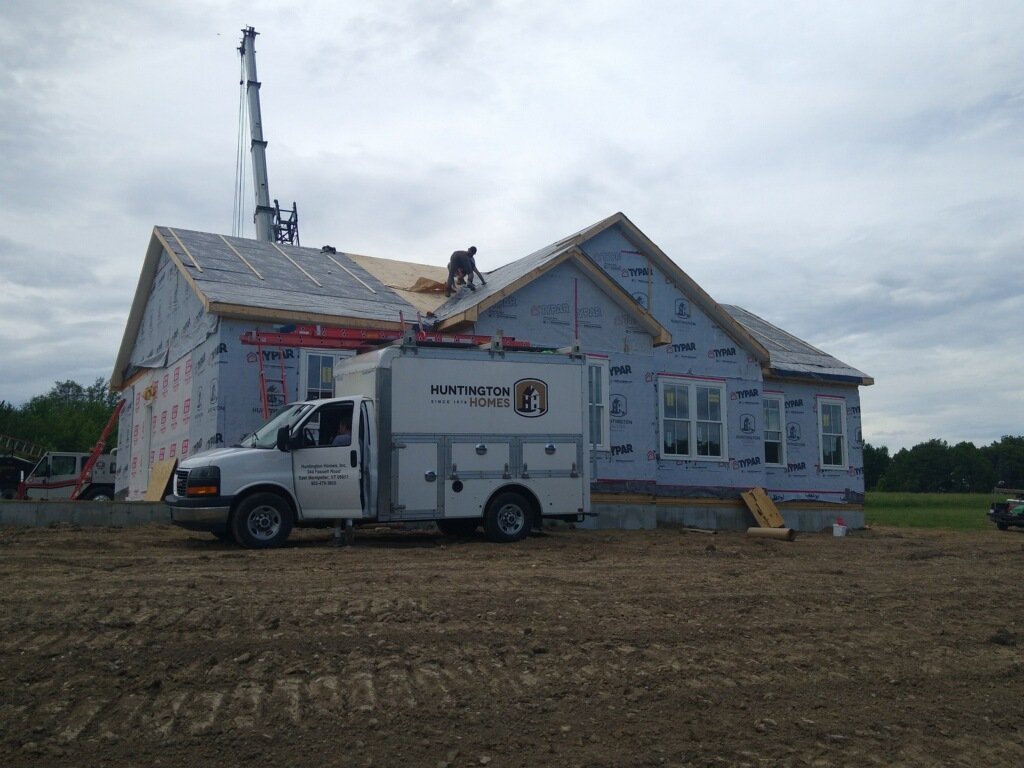
Image: Joshua Vignona, CC BY-SA 4.0, via Wikimedia Commons