
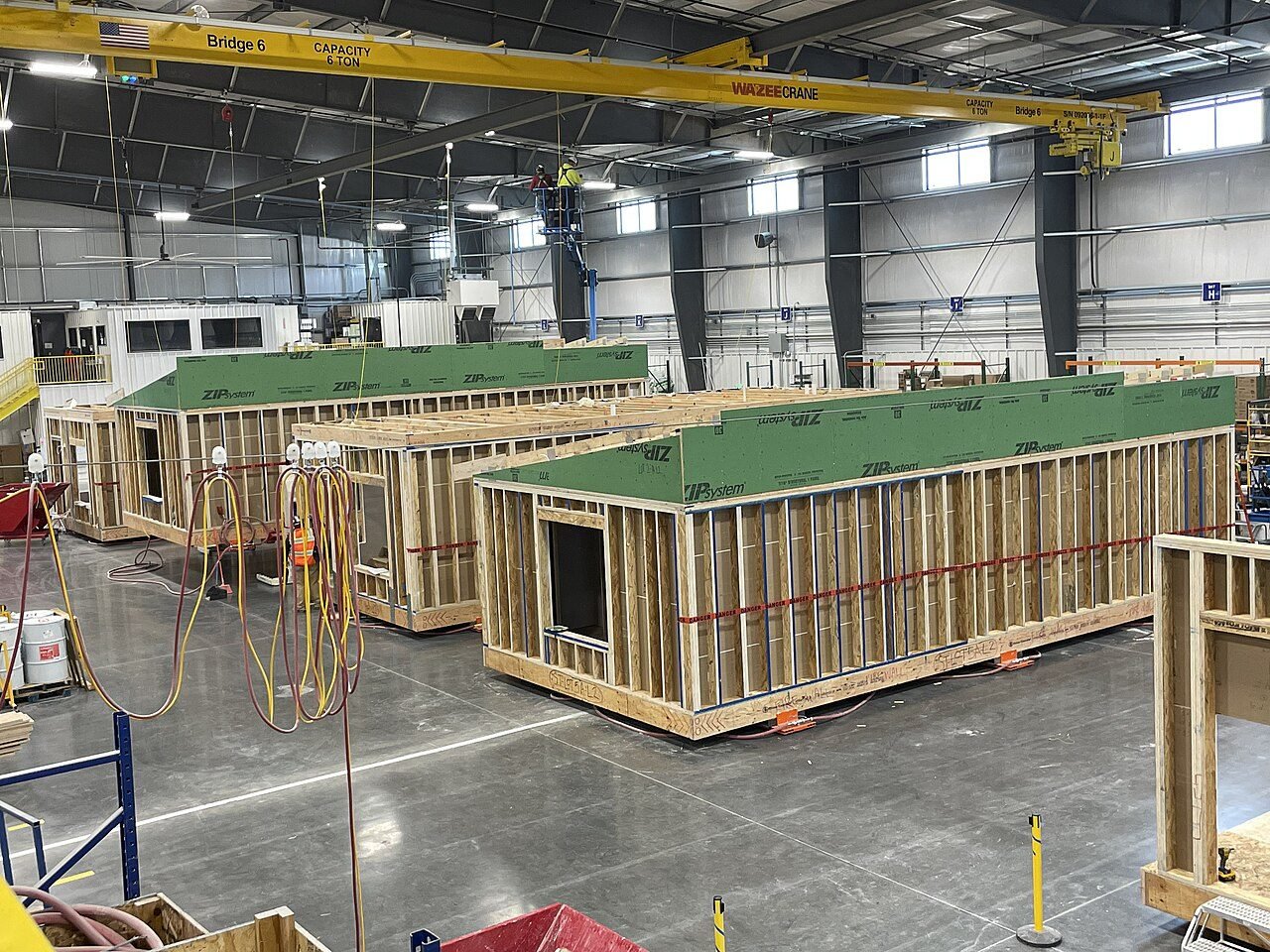
A modular factory sells one thing above all else, and that is time on its line. Every developer and general contractor who works with a plant is really buying a place in the production schedule. How you book that place, and how well you protect it, often decides whether an offsite construction project delivers on its promise of speed.
What a Production Slot Really Is
A production slot is a window of days or weeks when the factory has committed its crews, stations, and materials to your modules. The plant plans its whole operation around a steady flow of work. When one project slips, the factory either sits idle or pulls another job forward. That is why many manufacturers ask for a deposit to hold a slot and set firm dates for approvals before production starts. Treat the slot as a shared commitment with real costs on both sides, not as a loose target.
Book the Slot Only When the Design Is Ready
The most common mistake is reserving a slot before the project is ready to feed it. A factory needs approved shop drawings, engineering, plan review from the state or third party agency, and confirmed finish selections before it can build. If any of those pieces arrive late, the slot is at risk. Before you sign, work backward from the start date and list every approval, owner decision, and permit that must be finished first. Give each one an owner and a deadline with some float. If the list looks tight, ask for a later slot rather than promising dates you cannot keep.
Keep the Plant and the Site in Step
Good production planning connects the factory schedule to the site schedule. Modules that finish early still need somewhere to go. Storage at the plant takes up yard space, and storage near the site adds handling, security, and weather exposure. Plan the foundation, utilities, crane, and transport so the site is ready when the last module rolls off the line. Share a single schedule with both teams and review it every week as production gets close. When either side sees a delay coming, the other side should hear about it the same day.
Protect the Slot Once Production Starts
After the line starts, changes become expensive. A revised layout or a new finish can stop a station, force rework, and push every module behind it. Set a clear cutoff for owner changes and put it in the contract. Hold a short weekly call with the factory to confirm progress, open questions, and upcoming inspections. Visit the plant at least once during production so your team can see the work and answer questions in person. Small issues settled on the floor rarely turn into schedule problems.
Know What Happens If a Date Moves
Delays happen on both sides, so agree in advance how they will be handled. Your contract should say what happens if the owner misses an approval deadline, if the factory falls behind, or if weather stops the set. Spell out storage fees, resequencing rights, and how a lost slot is rebooked. Clear terms keep the conversation about solutions instead of blame. They also help factory scheduling stay honest, because everyone knows the cost of a slipped date.
A production slot is one of the most valuable things a modular project holds. Teams that book it with a ready design, tie it to the site, and guard it during the build get the speed that prefab is known for. Good project management turns the factory schedule into an advantage instead of a risk.
#OffsiteConstruction #ModularConstruction #ProductionPlanning #FactoryScheduling #ProjectManagement #Prefab