
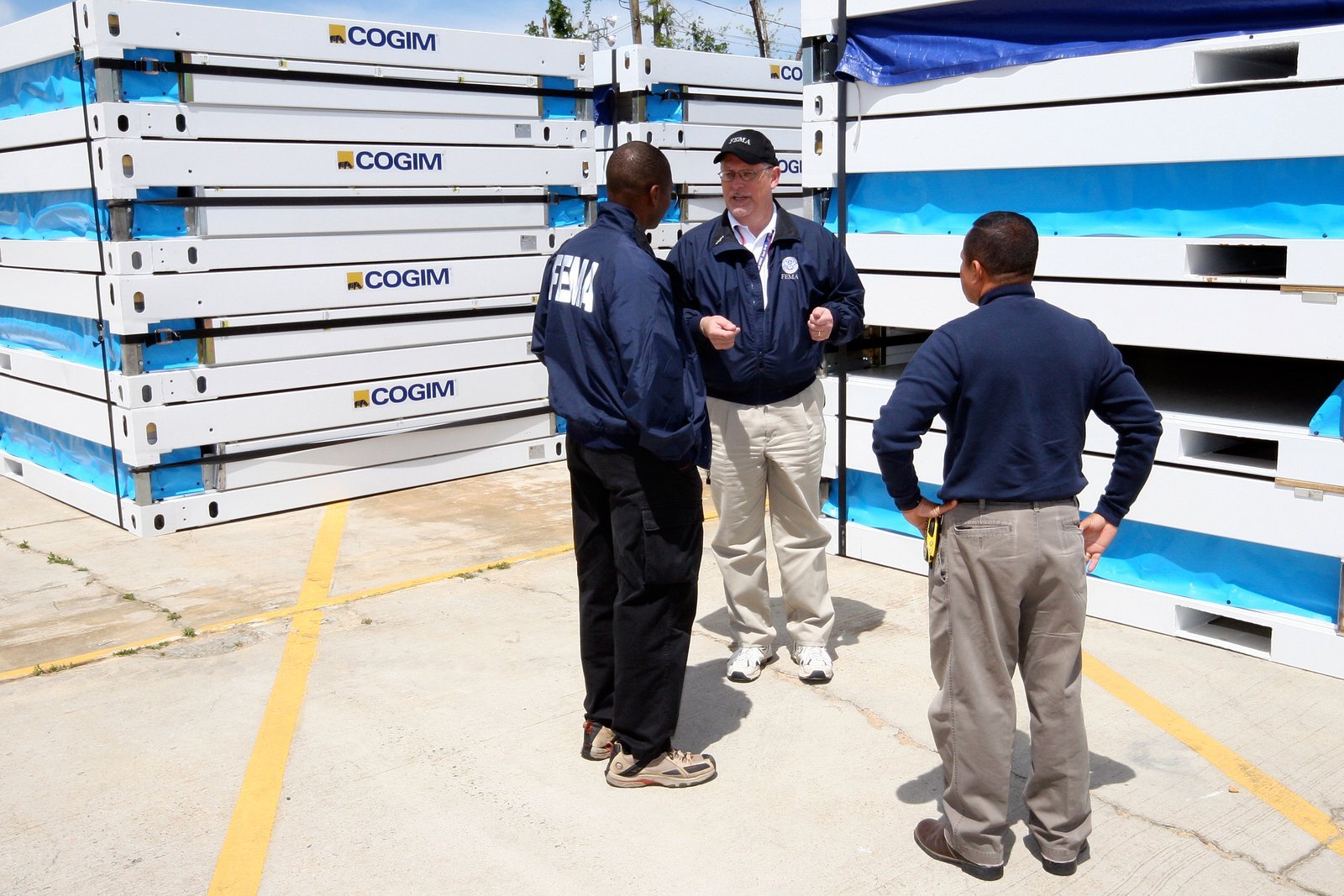
In offsite construction, the moment a module arrives on site is a handoff. Responsibility moves from the factory and the hauler to the people who will set and finish the building. If nobody looks closely at that moment, a crack, a dent, or a soaked ceiling can turn into an argument weeks later about who caused it. A simple delivery inspection, done the same way every time, prevents most of that trouble.
Why the Arrival Moment Matters
Modular construction puts finished work on the road. Drywall, cabinets, windows, and plumbing all travel at highway speed and then get lifted by a crane. Most units arrive in good shape, but transport is hard on a building. Once a module is set and the crew starts button-up work, it becomes very difficult to prove whether a problem came from the plant, the truck, or the site. The best evidence is the condition of the unit when it first rolled in.
Agree on the Process Before the First Truck
The contract should say who inspects each unit at delivery, how long they have to report a problem, and what form the report takes. It should also say when risk of loss passes from the manufacturer to the buyer. Settle these points during preconstruction and share them with the hauler. A short written checklist that the factory, the general contractor, and the set crew all accept is worth more than a long clause nobody reads.
What to Check When a Module Arrives
Start on the outside. Walk around the unit and look at the weather wrap, the corners, the roof, and the underside for tears, impact marks, or loose parts. Check the shipping bracing and any items that were packed loose for the site. Then go inside if the unit can be entered safely. Look for cracked drywall, popped fasteners, shifted cabinets, broken glass, and signs of water. Compare what you see against the factory’s own quality control sign-off for that unit, so you know what was confirmed before it left the plant.
Document Everything the Same Day
Take dated photos of every side of the unit and close shots of anything that looks wrong. Note the unit number, the time, the weather, and who was present. If there is damage, write it on the delivery receipt before the driver leaves and have the driver sign it. Notify the manufacturer and the hauler in writing within the agreed window. Good records are the foundation of fair damage claims, and they also help the factory find and fix the cause, whether it is packing, bracing, or the route.
Repair First, Settle the Cost Later
Most delivery damage is minor and can be fixed on site with the rest of the finish work. Decide early who performs repairs, whether factory service staff or the site crew, and how that work is priced. Keep the building moving and track repair costs separately so the money question can be resolved without holding up the schedule. Serious damage, such as structural movement, needs an engineer’s review before the unit is set. This is where steady construction management pays off, because a clear plan keeps one bad delivery from stopping the whole project.
A delivery inspection takes a short time per unit and saves far more time later. Teams that agree on the process, check every module the same way, and record what they find turn the handoff into a routine step instead of a source of conflict.
#OffsiteConstruction #ModularConstruction #DeliveryInspection #QualityControl #DamageClaims #ConstructionManagement