
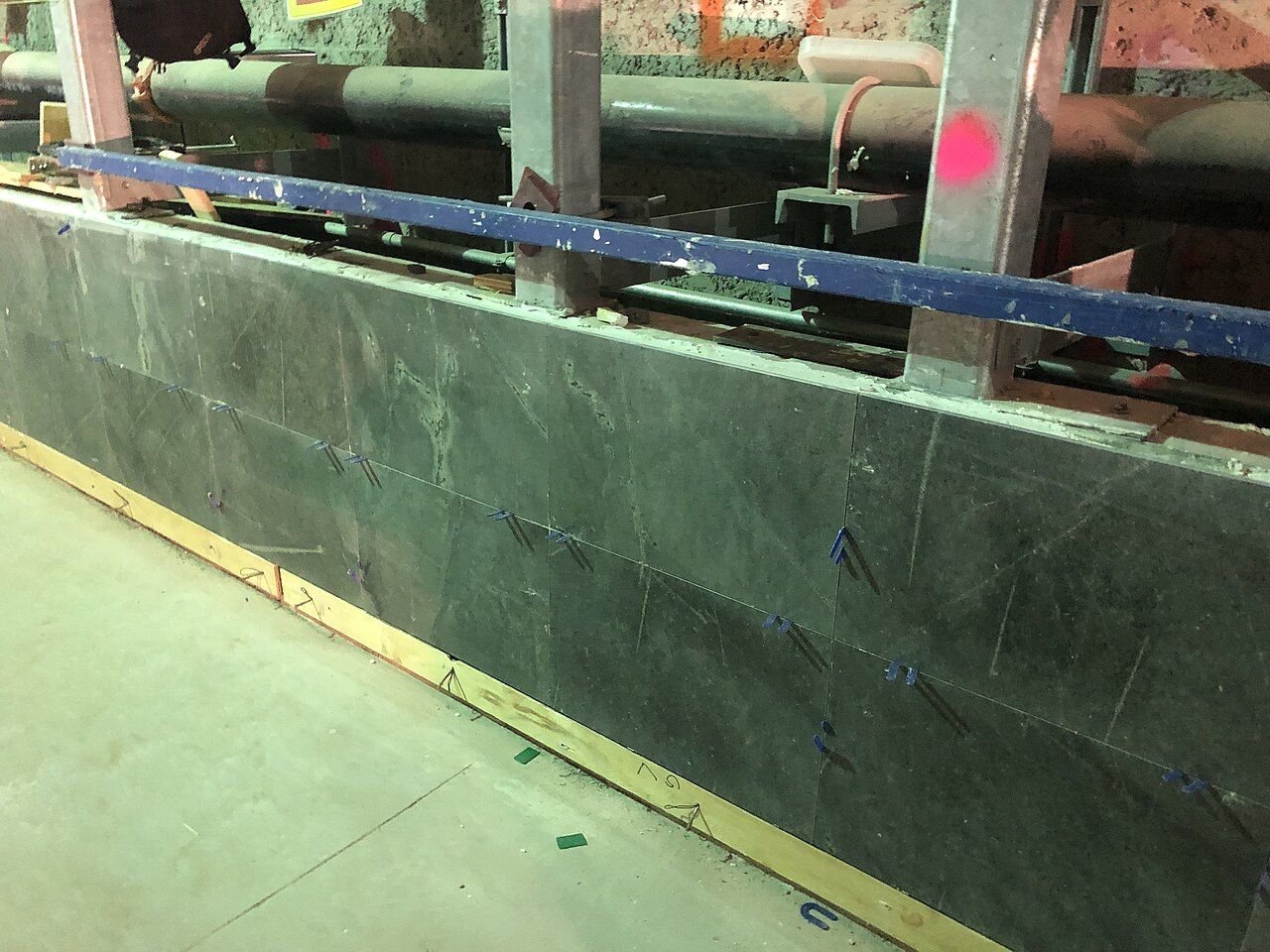
A modular building is built in a factory, which means the first time many owners see the finished work is when a module arrives on site. By then, hundreds of repeat decisions have been made and built into every unit that follows. A mockup is the simplest way to see those decisions before they multiply. Approving a mockup and a first finished unit gives the owner, designer, and factory a shared standard for quality, and it is one of the cheapest forms of risk control in modular construction.
Why a Mockup Matters More in the Factory
On a site built project, a bad detail affects one room, and the crew fixes it the next day. In a plant, the same bad detail can repeat across dozens of units before anyone looks closely. Factory production runs on a set sequence, so changes made late are costly and disrupt the schedule. A mockup moves the argument about finishes, tolerances, and connections to the start of production, when a change costs a few hours instead of a few weeks.
Decide in advance what the mockup must prove. Common examples are the wall assembly with its air and water barrier, a typical bathroom, a corridor section, a window and sill detail, and the point where two modules meet. A mockup does not need to be a full building. It needs to be large enough to show how materials come together and how a worker will build the same detail every day.
Who Should Review It
The review works best when every party who cares about the result is in the room at once. That includes the architect, the owner, the general contractor, the factory production lead, and the person who will run quality control in the plant. Invite the code official or third party agency if their approval will depend on the detail. Ask each person to sign off on a short written checklist. A verbal thumbs up in a hallway is hard to enforce when a dispute comes up six months later.
From Mockup to First Finished Unit
After the mockup comes the first finished unit off the line. Treat it as a formal checkpoint, sometimes called a first article. Walk the unit with the approved drawings, the mockup photos, and the quality control checklist. Look at tolerances, fastener patterns, sealants, electrical and plumbing rough in, and finish quality. Record every difference between the unit and the approved mockup, then decide whether to change the unit or update the standard. Production should not ramp up until the first unit is accepted in writing.
Keep the Mockup as the Reference
Do not throw the mockup away once production starts. Keep it in the plant, labeled with the date and the names of the approvers, so that inspectors and line workers can compare their work to it. When a question comes up on the floor, the answer is on the wall. Photograph it from several angles and attach the photos to the quality control plan. If the design changes later, build a new mockup or mark clearly which parts of the old one are no longer valid.
Build Time for It Into the Schedule
The most common reason mockups fail is that nobody planned for them. Add the mockup and first unit review to the contract schedule, name who pays for the materials, and set a response time for approvals. A week of review early in the project often saves months of rework later. Teams that treat prefabrication as a repeatable process, not a series of one off builds, tend to value this step most.
A good mockup turns a drawing into a physical agreement. If you are planning your next modular or offsite construction project, ask for the mockup and the first unit review before the plant starts its run. Doing so makes quality control easier, keeps the design review honest, and gives everyone the same picture of what good looks like.
#ModularConstruction #OffsiteConstruction #Mockup #QualityControl #Prefabrication #DesignReview