
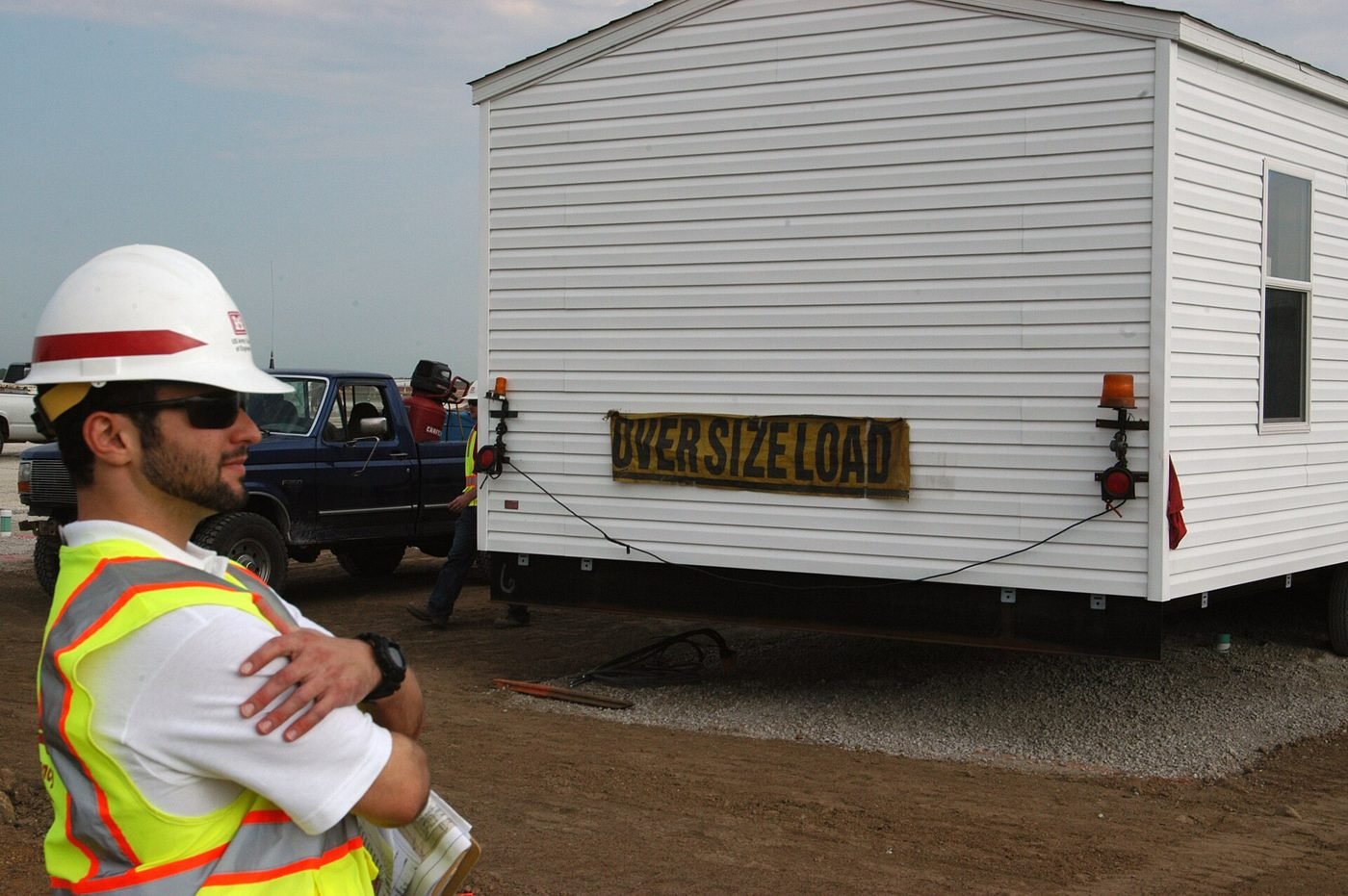
When the last module is set and the crane drives away, many people think the job is nearly done. In practice, a real share of the work on a modular construction project still lies ahead. Crews must join the boxes, connect the systems, and finish the surfaces that could not be completed in the plant. This button up work is where offsite construction schedules are often won or lost, and it deserves the same planning as the factory build.
What Button Up Work Covers
Button up is the site scope that turns a set of separate modules into one finished building. It usually includes sealing and weatherproofing the joints between units, completing roofing and siding at the mate lines, and connecting plumbing, electrical, and mechanical runs that cross module boundaries. It also includes finishing drywall, flooring, and trim where boxes meet, along with stairs, corridors, porches, and any other elements the factory did not ship. The exact list changes with every project and every manufacturer, which is why it has to be written down early.
Define the Split Between Factory and Site
The most important step is a clear scope split. Before production starts, the factory, the general contractor, and the owner should agree in writing on which tasks happen in the plant and which happen on site. A simple matrix that lists each building element and assigns it to one party works well. Gaps in that matrix become change orders later, and overlaps lead to two crews pricing the same work. Ask the manufacturer what it usually ships loose, such as trim pieces, fixtures, or roof sections, and make sure someone owns the installation of each item.
Plan the Crews and the Sequence
Button up crews need trades who can work in tight spaces and finish to a factory standard. Line up these trades before the set, not after it. Plan the sequence so the building is weathertight first, then systems are connected and tested, and then interior finishes are completed. Keep materials staged close to the work so crews are not waiting on deliveries. A short daily huddle during this phase helps the site work stay on track, because many trades end up working in the same rooms at the same time.
Protect the Factory Finishes
Modules often arrive with finished floors, cabinets, and painted walls. Site crews can damage that work quickly if it is not protected. Cover floors and counters before trades move through, and set clear rules for where tools and materials can be placed. Walk each module with the factory representative when it arrives and record its condition with photos. That record helps settle questions later about whether damage came from transport, setting, or work on site.
Close Out with One Punch List
Project closeout goes faster when the team uses a single punch list that covers both factory items and site items. Tag each item with the party responsible so nothing bounces between the plant and the field. Agree on how factory warranty items will be handled after occupancy, and collect manuals and test reports for the systems installed in the plant. A clean handover depends on paperwork as much as it depends on finished surfaces.
Button up work is the bridge between a fast factory build and a finished building. Teams that define the scope early, line up the right crews, and protect the work already done keep the speed that modular construction promises.
#OffsiteConstruction #ModularConstruction #ButtonUp #SiteWork #GeneralContractor #ProjectCloseout