
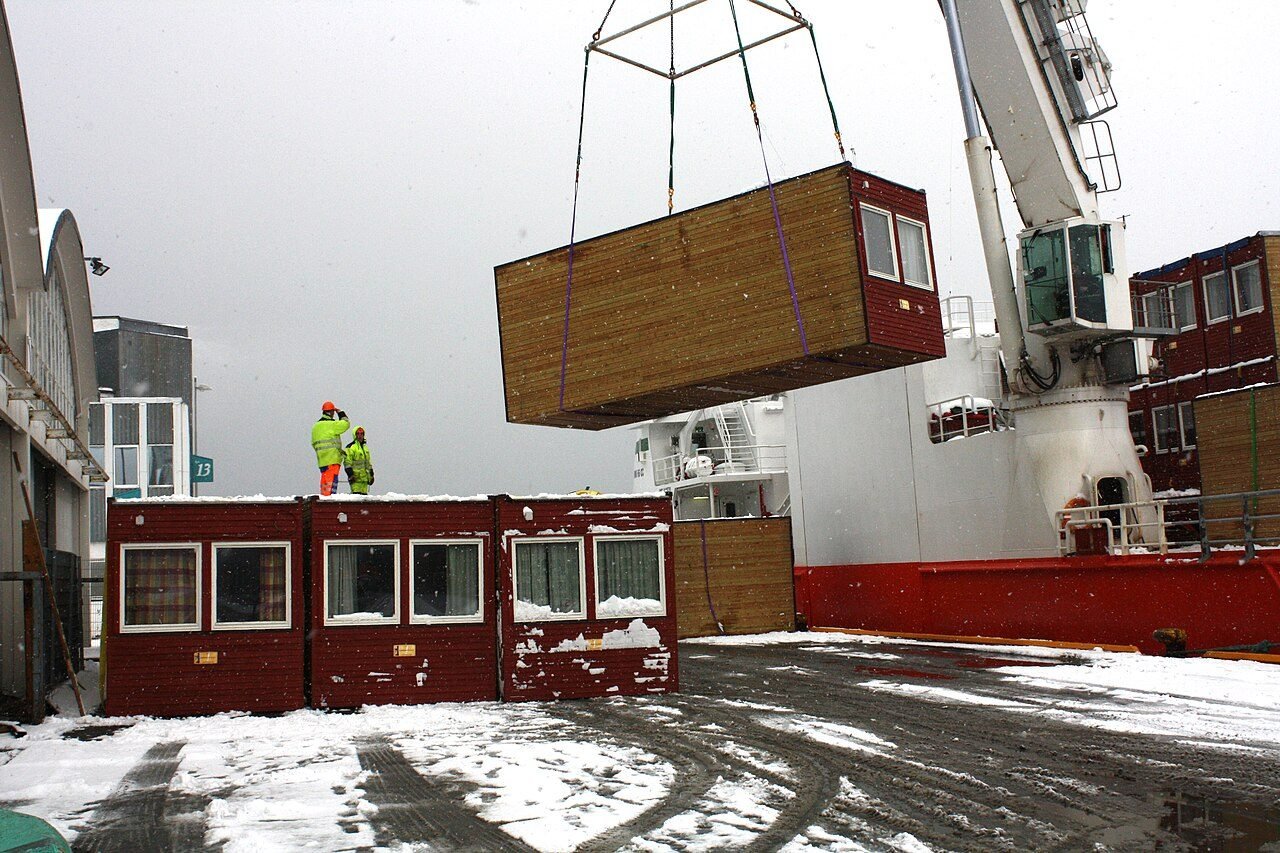
Every volumetric project has a seam where one box meets the next. In modular construction we call it the mate line, and it is where a lot of the value of offsite construction is either protected or lost. The factory can build a perfect module, but if the connection between two modules is treated as an afterthought, the building will tell you about it for years.
What the Mate Line Really Carries
The mate line is more than a joint between two walls. It carries structural ties that make separate modules act as one building. It carries fire and sound separation between units or floors. It carries the air and water barrier that keeps the envelope continuous. It also carries the plumbing, electrical, and mechanical crossovers that were split at the factory so the boxes could ship. When a team looks at it as a single line on a drawing, they miss how many trades depend on it.
Design the Connection Before You Design the Box
Good modular design starts with the connection details, not the floor plan. Decide early how modules will be tied together, how the gap between them will be sized, and how each system will cross from one module to the next. Those choices drive wall thickness, ceiling heights, and where chases and access panels go. If they are settled late, the factory ends up improvising on the line, and the site crew ends up improvising again in the field.
It also helps to keep connection types to a short list. A building with three standard mate line details is easier to build, inspect, and repair than one with a new detail at every corner.
Split the Work Clearly Between Plant and Site
Most mate line problems come from unclear scope. The factory assumes the site crew will finish a seal, and the site crew assumes the factory already did it. Write down who installs every tie, gasket, membrane, firestop, and crossover connection. Put that list in the contract and in the set sequence, and walk it with both teams before the first module ships.
Leave access where the site crew needs it. A crossover that has to be connected after setting should never sit behind a finished wall with no way to reach it. Small removable panels, held back finishes, and marked locations save hours on site.
Set, Close, and Inspect in Order
Once modules are on the foundation, the order of work matters. Align and fasten the structure first. Then close the air and water barrier along the line before weather gets in. Then make the utility crossovers, test them, and only then close up the interior finishes. Skipping ahead to make the building look finished is how hidden leaks and failed connections get buried.
This is also where construction quality is proven. Photograph each mate line connection before it is covered, check it against the detail, and get the inspector to see it at the right moment. The plant may be certified, but the site connections are usually inspected locally, so plan those visits into the set schedule.
Plan for Movement and Future Repair
Modules move a little after setting as the structure settles and materials adjust to the climate. Flexible seals, finishes that hide small shifts, and trim designed for the seam keep cosmetic cracks from turning into service calls. Think about the owner too. Record where every crossover and access point sits so a future maintenance crew can find them without opening walls.
The mate line is where prefab meets the real world. Teams that design it first, assign it clearly, and inspect it carefully get the full benefit of factory building. Teams that leave it to chance pay for it on site and long after handover.
#ModularConstruction #OffsiteConstruction #MateLine #ModularDesign #ConstructionQuality #Prefab