
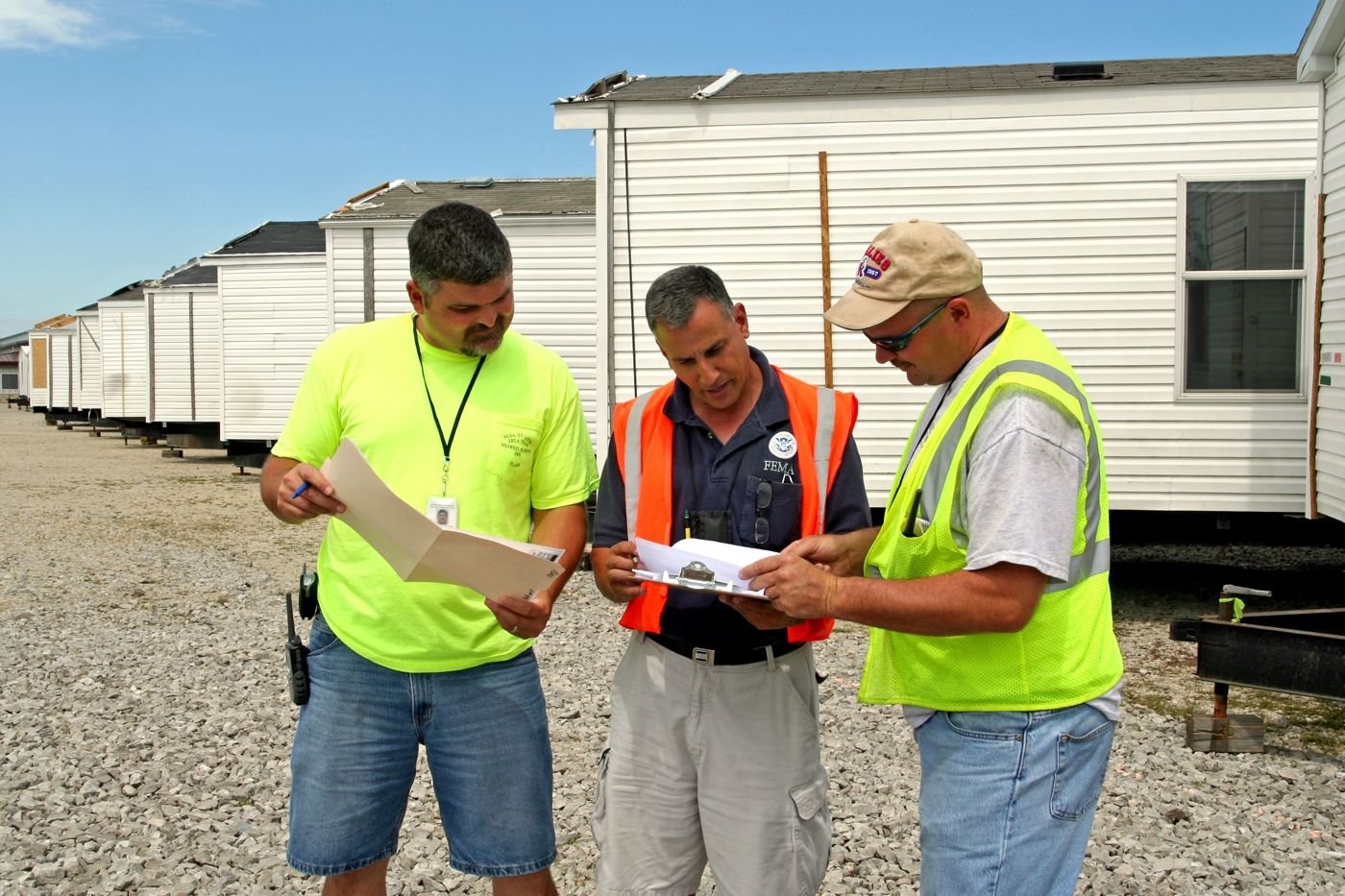
One of the main promises of offsite construction is that the factory and the site work at the same time. That only pays off when both finish on schedule. When permits slip, foundations run late, or weather stops site work, finished units can come off the line with nowhere to go. Module storage is the plan for that gap, and it is better to write it before production starts than to improvise it when the first trucks are ready to leave.
Why Storage Becomes Necessary
Factories run on tight schedules, and most cannot hold finished units on the plant floor without slowing the next project. Once a module is complete, it usually has to move. If the site cannot receive it, the owner, the general contractor, and the manufacturer need somewhere safe to put it. Storage can also be planned on purpose. Some teams build ahead of the site so a full building is ready to set in a short window, which keeps crane time and road permits to a minimum.
Choosing a Staging Yard
A good staging yard is flat, well drained, and reachable by oversize loads without tight turns or low wires. Gravel or paved surfaces work better than bare soil, which turns soft in wet weather and makes moving units hard. Security matters too, so look for fencing, lighting, and controlled access. Distance is the last test. A yard close to the site keeps the final haul short, while a yard at or near the plant avoids a second trip if the delay runs long. Both options can work, and the right choice depends on the project.
Protecting Units While They Wait
Stored modules need the same care they would get during transport. Keep them on proper supports or on their carriers so the floor systems are not stressed. Check that weather wrap is intact and that open ends are sealed, because moisture is the biggest threat to finished interiors. Walk the units on a regular schedule to look for torn wrap, standing water, pests, or signs of tampering. Record each inspection with photos and notes. That record helps if a question comes up later about when damage happened.
Contracts, Insurance, and Cost
Storage creates cost and risk, and someone has to carry both. The contract should say who pays for yard rent, extra handling, and added hauling, and what triggers those charges. It should also say when ownership and risk of loss pass from the factory to the buyer. Talk with the insurance carrier before units leave the plant to confirm that builder’s risk or other coverage applies while modules sit in a staging yard. Good risk management here is mostly a matter of putting the answers in writing early.
Making Storage Part of the Logistics Plan
Treat storage as one step in the construction logistics plan, not a surprise. Identify a backup yard during preconstruction, even if the team expects never to use it. Agree on a set order so units can be stored in the sequence they will be set, which avoids shuffling heavy boxes around the yard. Share a simple tracking sheet that shows where every module is, its condition, and its planned delivery date. Clear tracking keeps the factory, the hauler, and the site crew working from the same information.
Module storage is not a failure of modular construction. It is a normal part of managing two schedules at once. Teams that plan the yard, protect the units, and settle the money questions early keep a site delay from turning into damaged product or a dispute.
#OffsiteConstruction #ModularConstruction #ModuleStorage #StagingYard #ConstructionLogistics #RiskManagement